
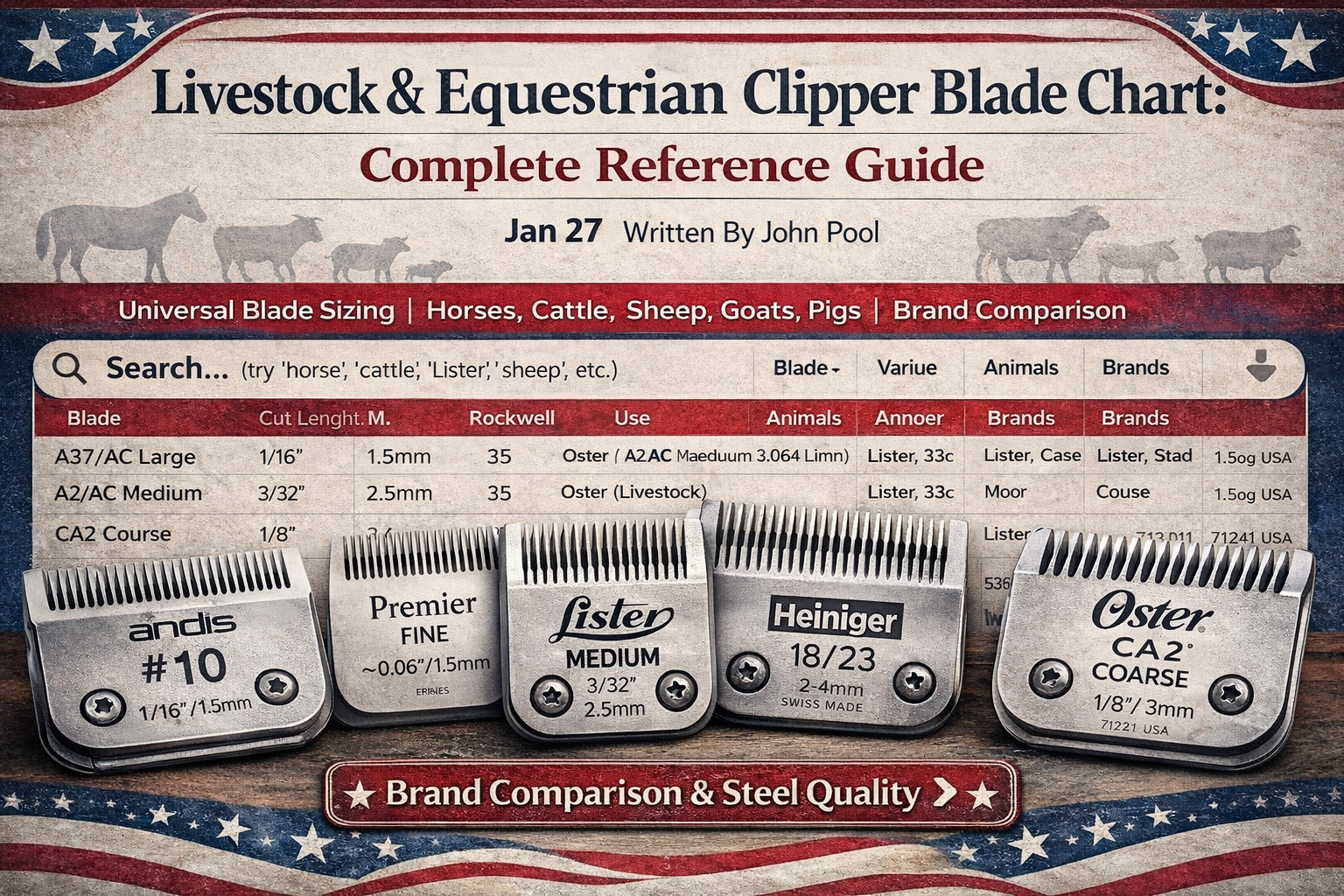
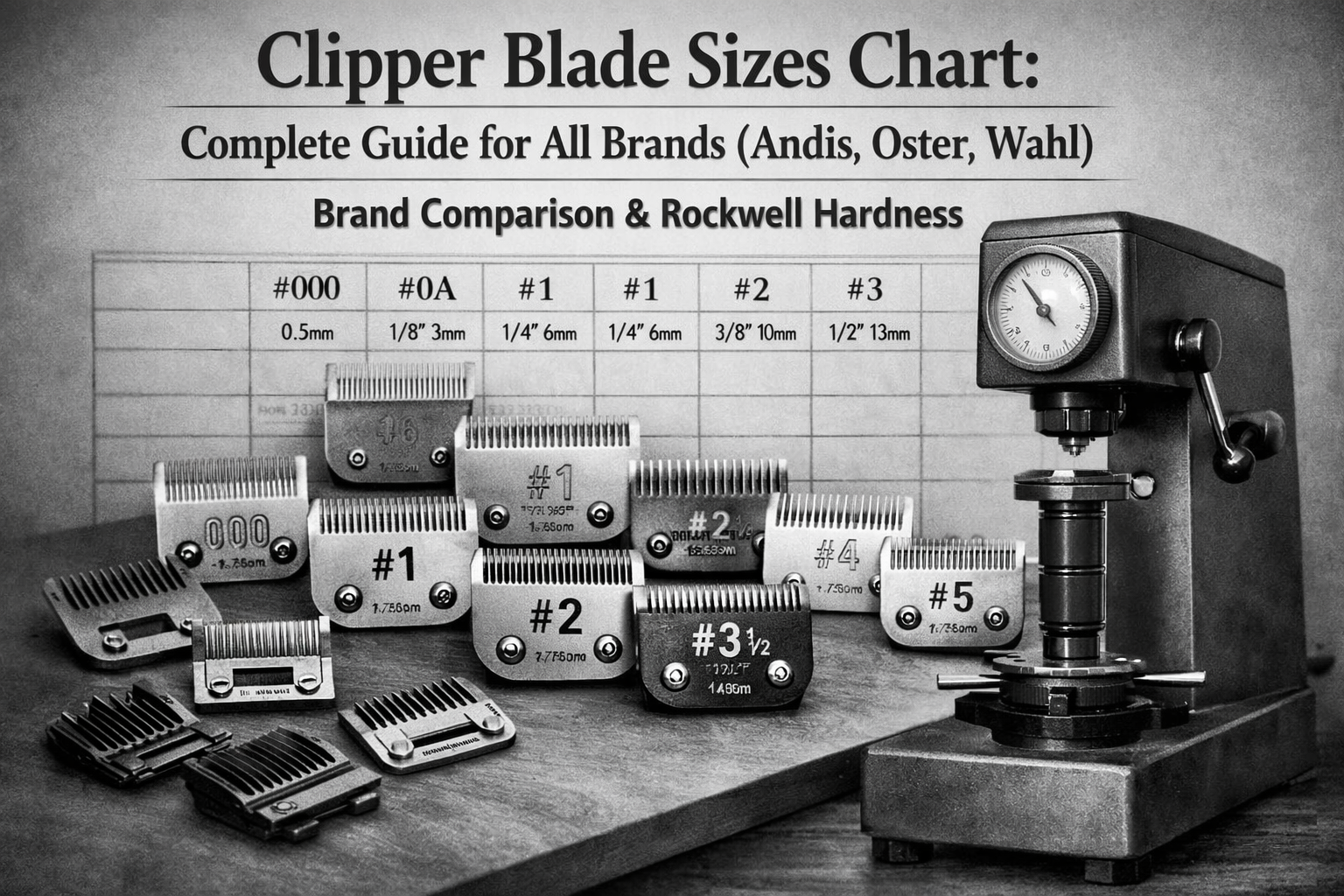
Clipper Blade Sizes Chart: Complete Guide for All Brands (Andis, Oster, Wahl)
Complete clipper blade reference guide with interactive sortable chart covering all A5 standard blades, wide blades, guard combs, and 5-in-1 adjustable settings. Compare Rockwell hardness ratings across Andis, Oster, Wahl, Artero, Buttercut, and more. Learn how to choose the right blade for any coat type and when to sharpen for optimal performance.
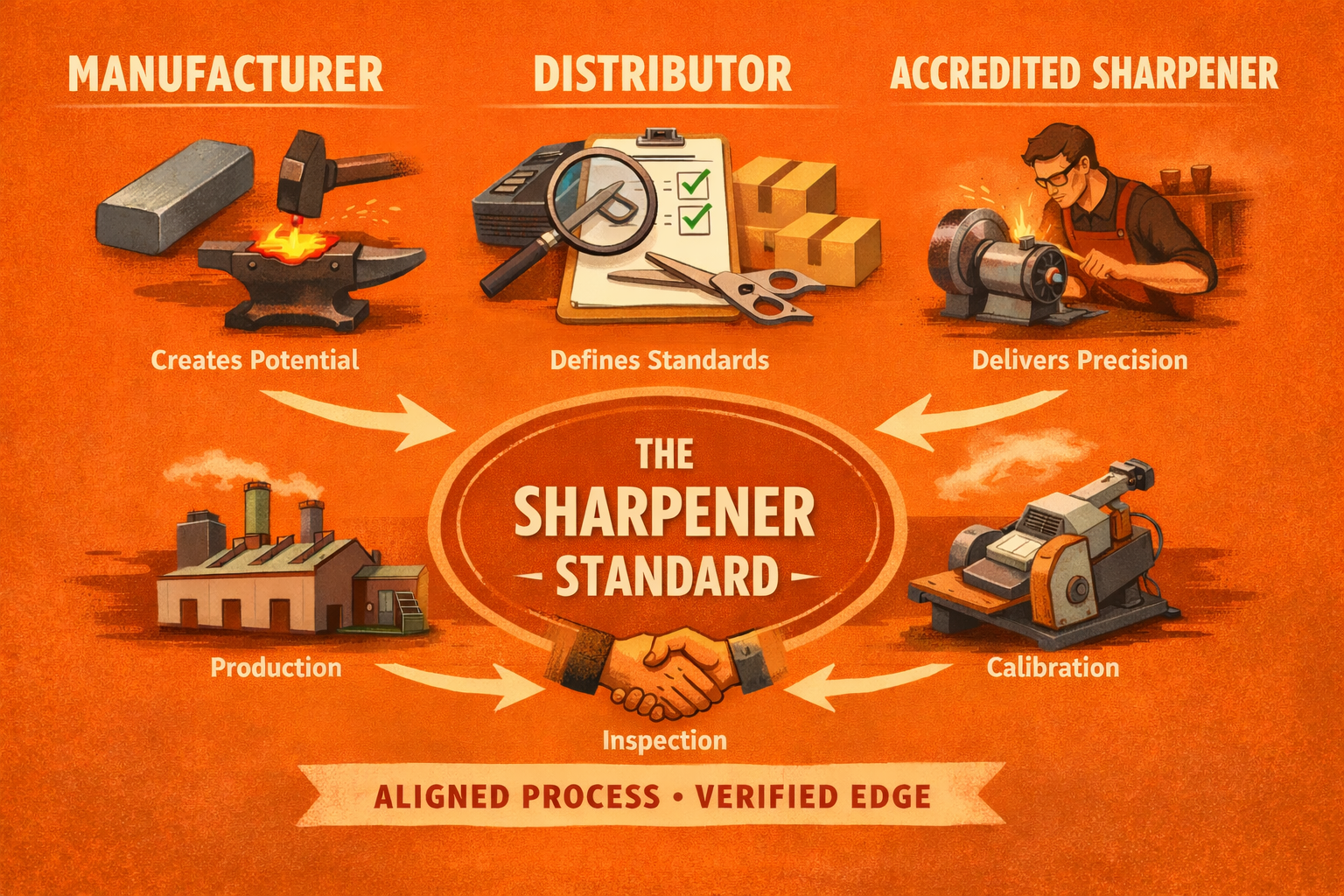
Country of Origin Claims: How Quality Is Actually Delivered
Country of origin does not define professional quality. This article explains how manufacturers, distributors, and accredited sharpeners work together to deliver a verified, long-lasting edge.
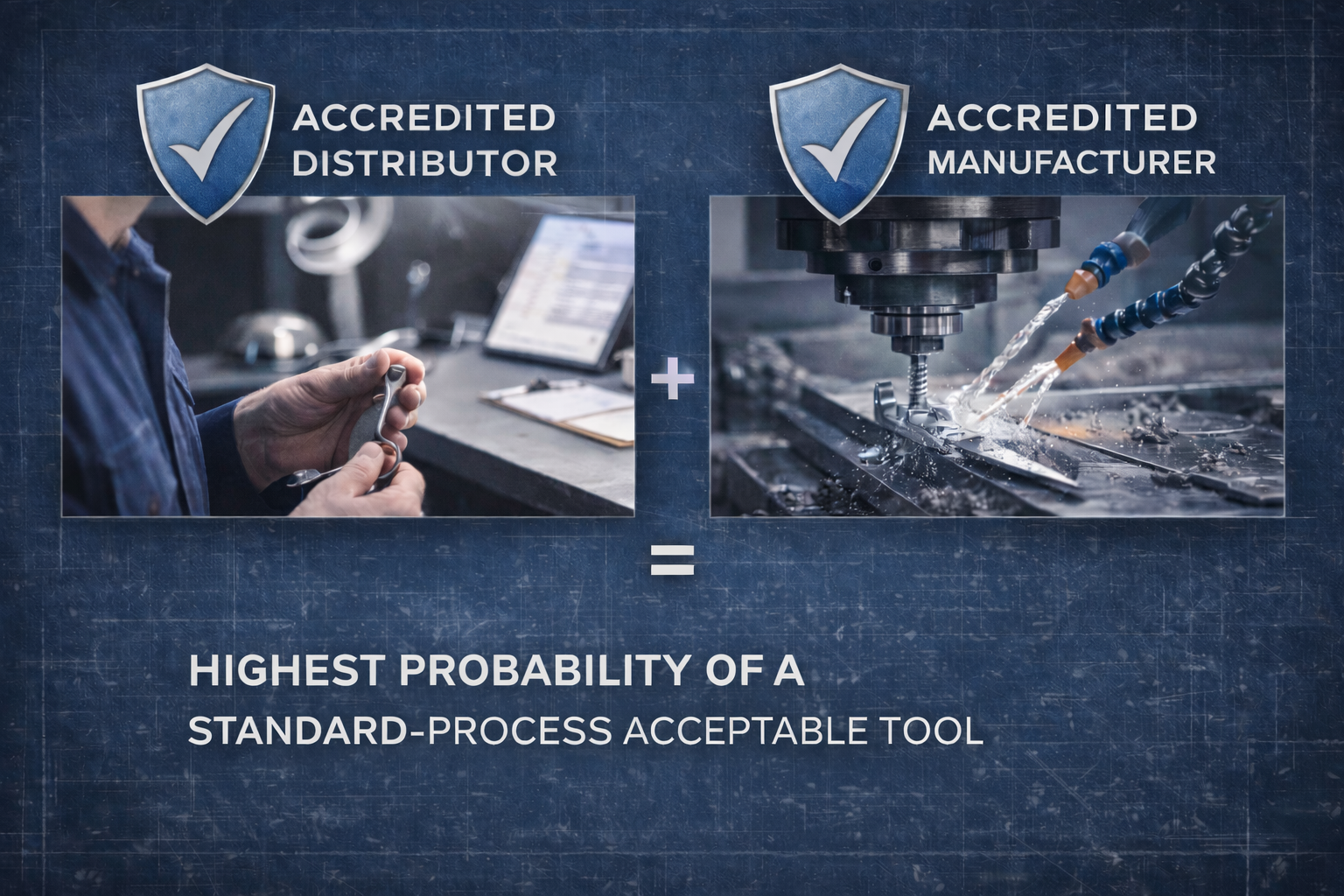
Why the Distributor Defines the Standard, Not the Manufacturer Alone
Quality is not guaranteed at production. It is confirmed at delivery. This article explains why accredited distributors define the professional standard more than manufacturers alone.
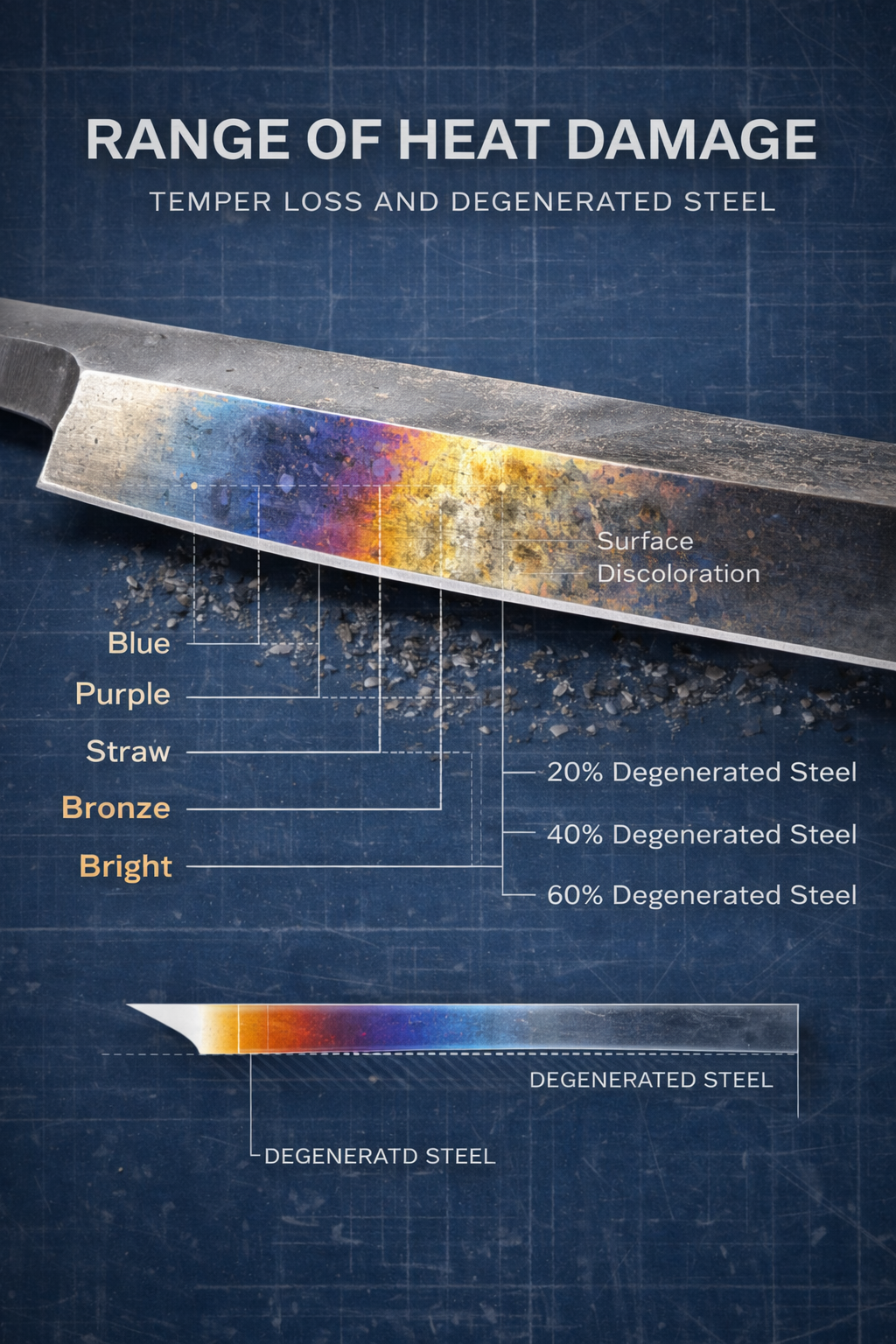
Why Heat Damage Is Usually Invisible
Heat damage rarely announces itself. This article explains how steel can be structurally compromised during sharpening without visible signs—and why thermal control must be treated as a professional standard.
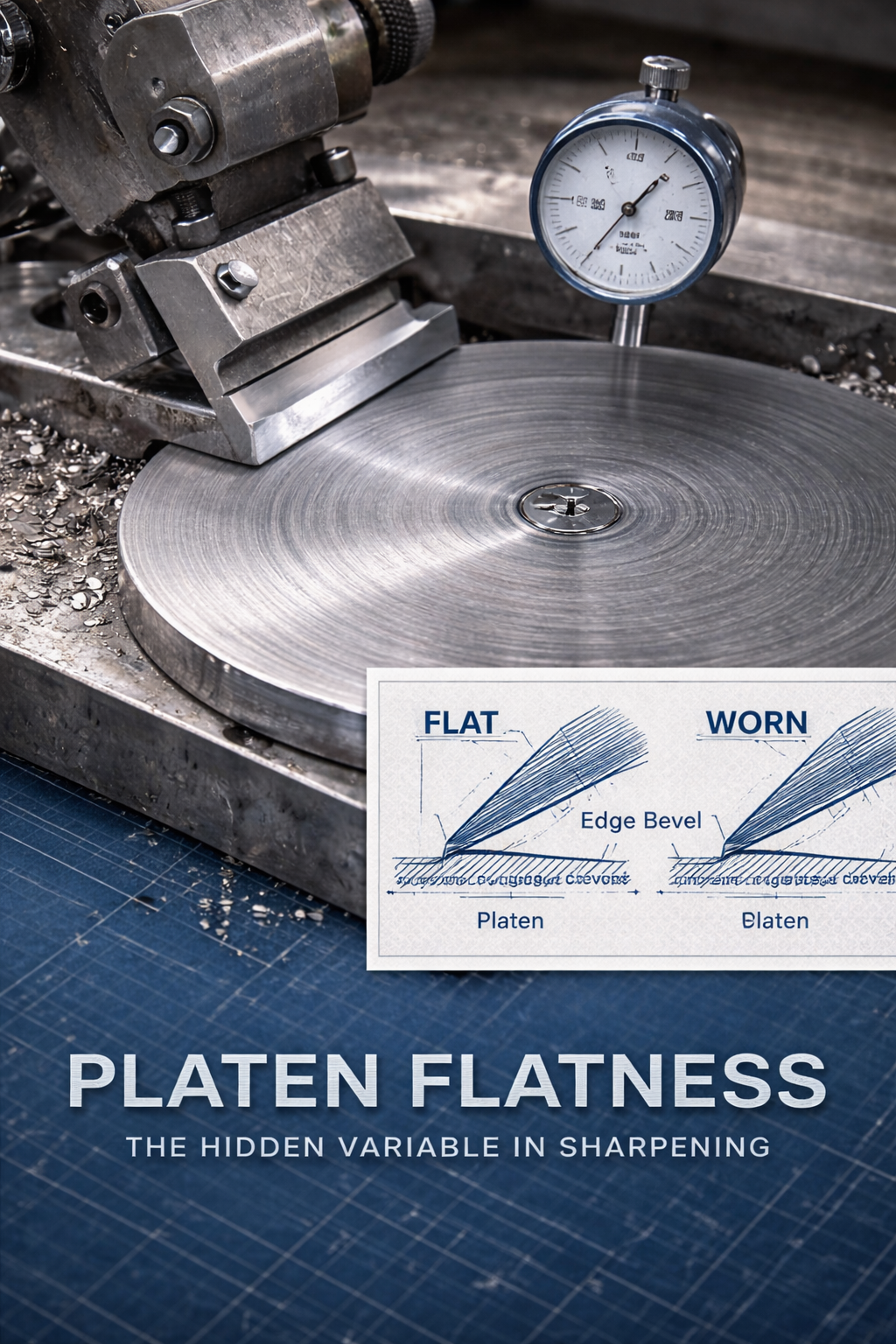
Platen Flatness: The Hidden Variable in Sharpening
Platen flatness is often assumed rather than verified. This article explains why even minor surface deviation alters edge geometry and why flatness must be treated as a controlled variable in professional sharpening.
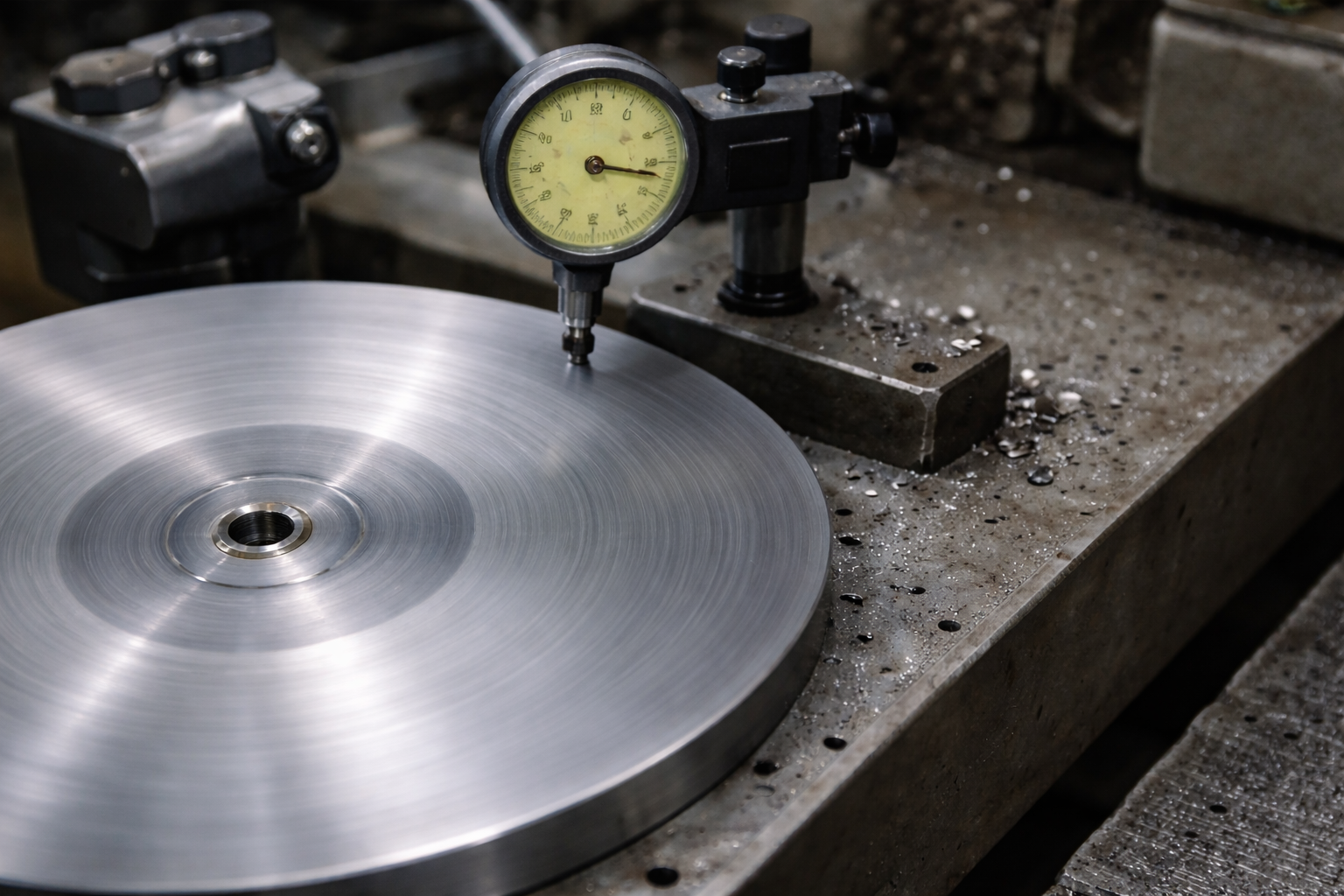
Why Surface Integrity Matters More Than Sharpness
Sharpness is an outcome. Surface integrity is the standard. This post explains why professional sharpening depends on verified surfaces rather than visual sharpness.
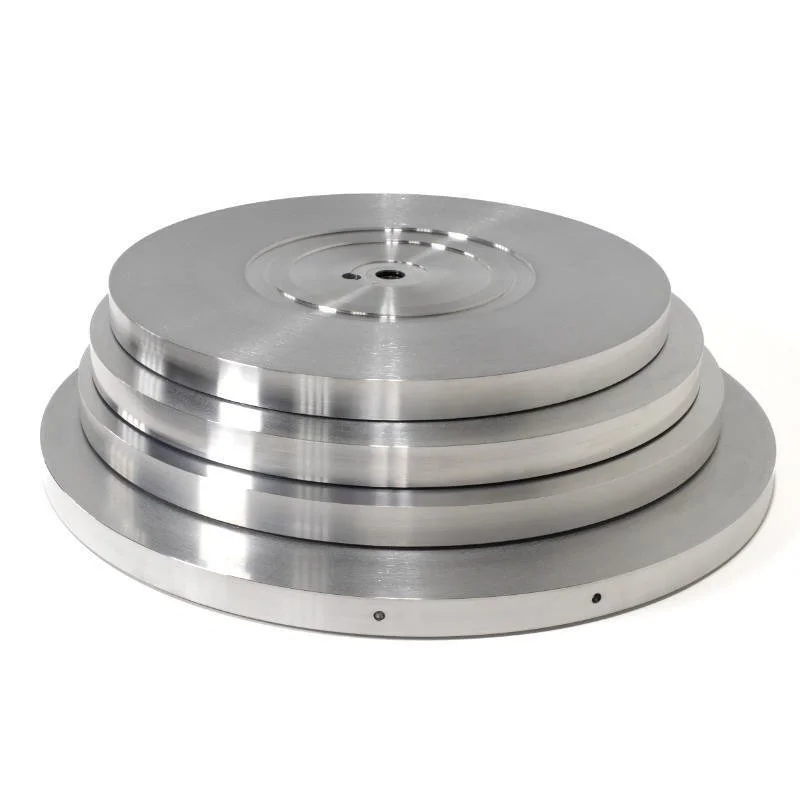
Precision Surface Integrity: The Shop Inc’s Lapping Disc Resurfacing
This article explains how The Shop, Inc.’s precision scraping resurfacing process creates a uniform, verified planar disc surface that supports consistent, repeatable professional sharpening outcomes.
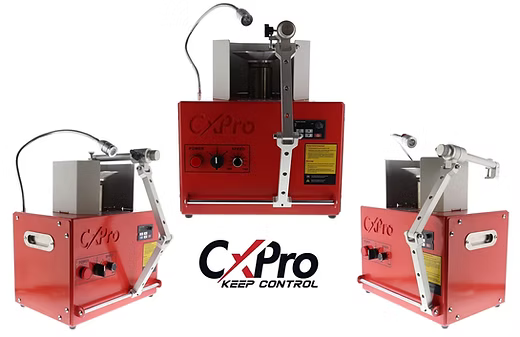
Constraint-Based Sharpening & Error Reduction: The CX Pro Keep Control System
This article examines how the CX Pro Keep Control system reduces error pathways through mechanical constraint, supporting repeatable, verifiable outcomes in accredited professional shear sharpening workflows.
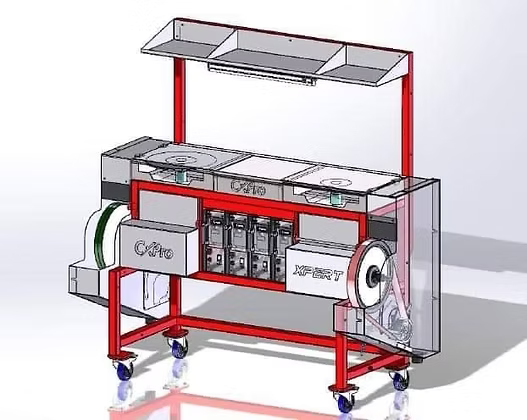
Precision Interface & Operator Control: The CX Pro X-Pert in Accredited Shear Processing
Not all sharpening machines are designed to replace judgment. This post outlines how the CX Pro X-Pert supports operator control and mechanical stability, allowing trained technicians to execute repeatable, verifiable shear sharpening processes without over-automation.
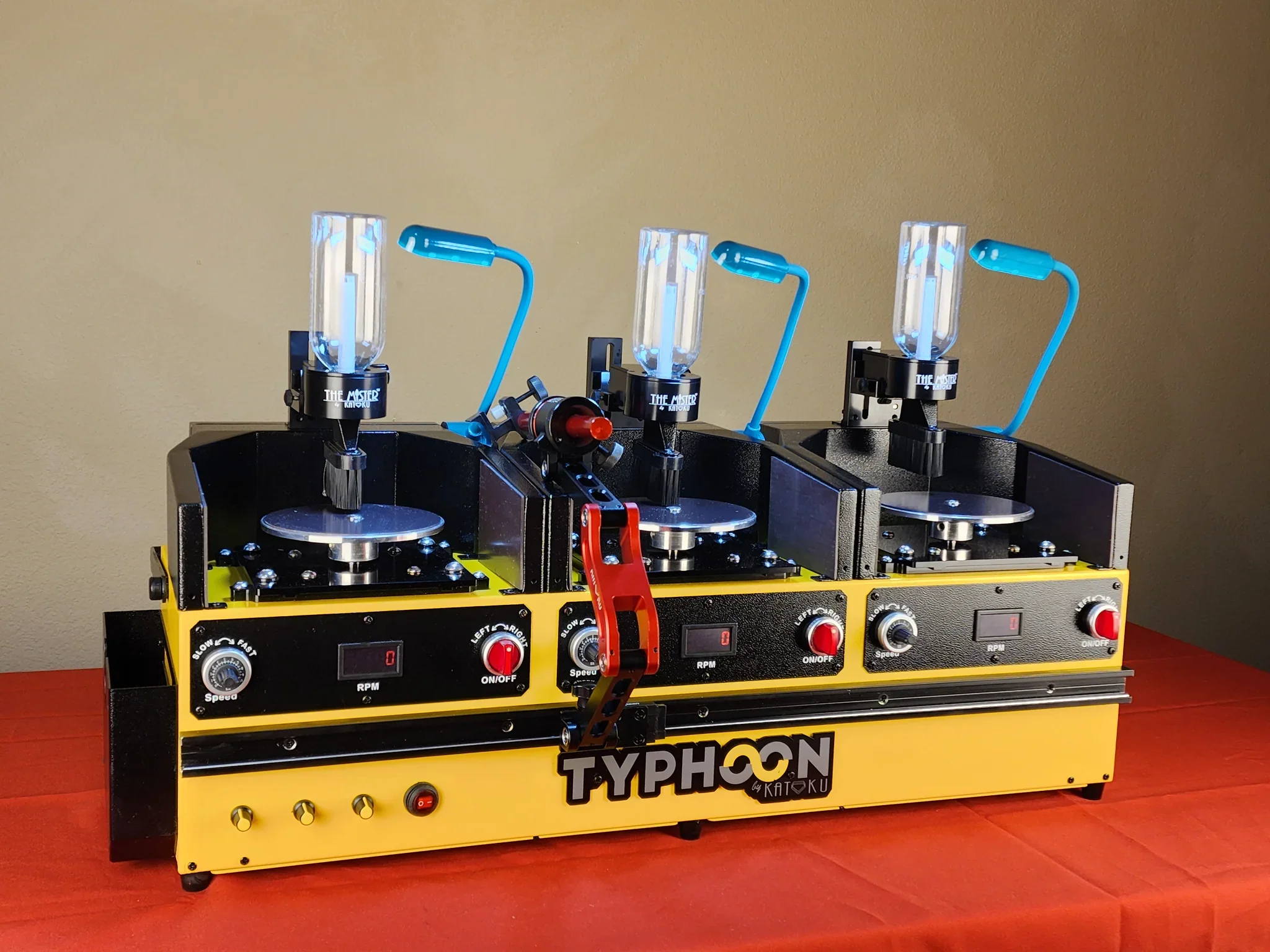
Process Regulation & Thermal Discipline: The Katoku Typhoon in Accredited Shear Manufacturing
Sharpening at an accredited level requires more than sharpness — it requires control. This article examines how the Katoku Typhoon functions as a process regulator, limiting thermal risk, stabilizing abrasion, and preserving steel integrity within professional shear sharpening and manufacturing workflows.
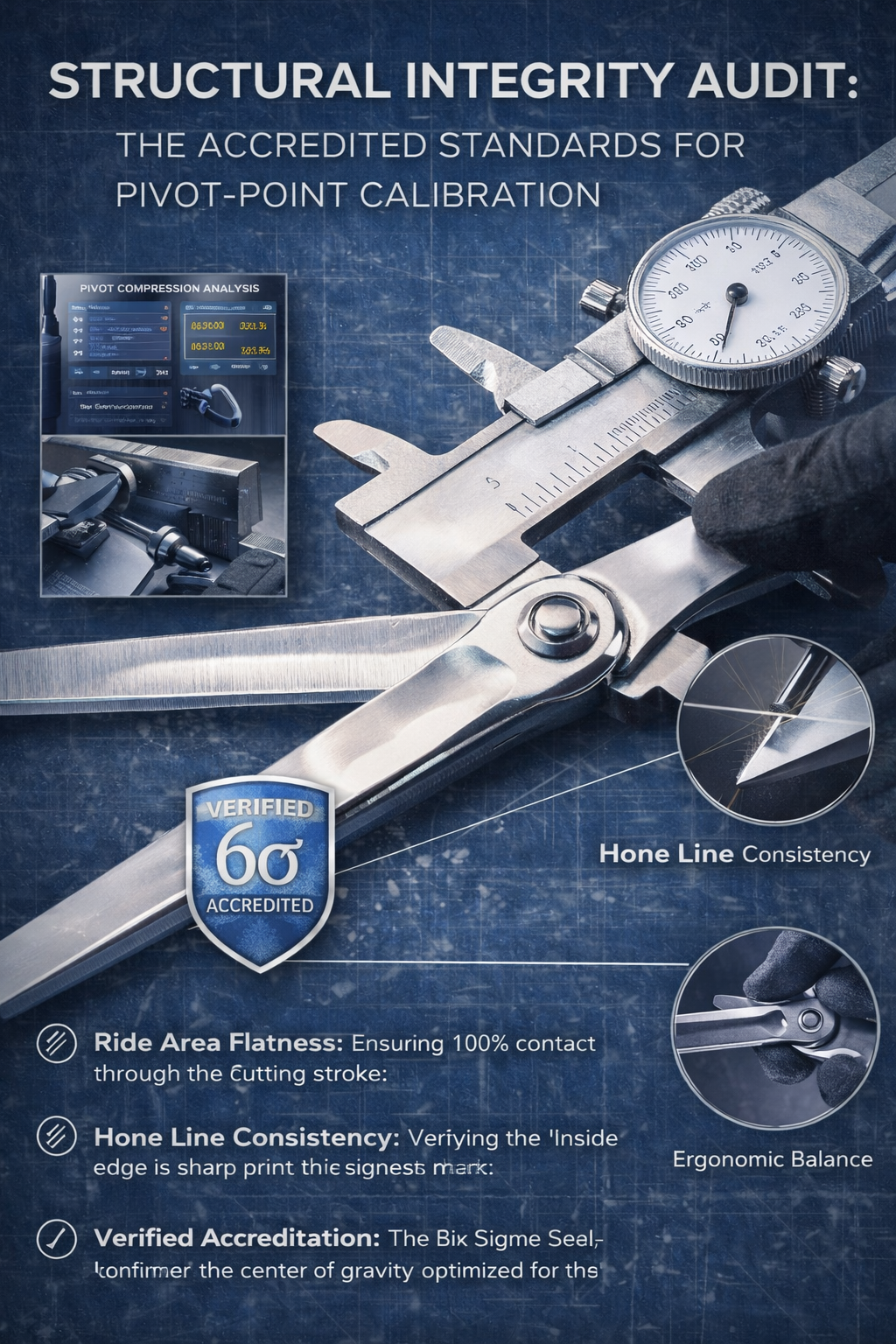
Structural Integrity Audit: The Accredited Standards for Pivot-Point Calibration
A formal technical report from the Battle Born Blade Sharpening Institute on pivot-point calibration and structural integrity for professional shears.
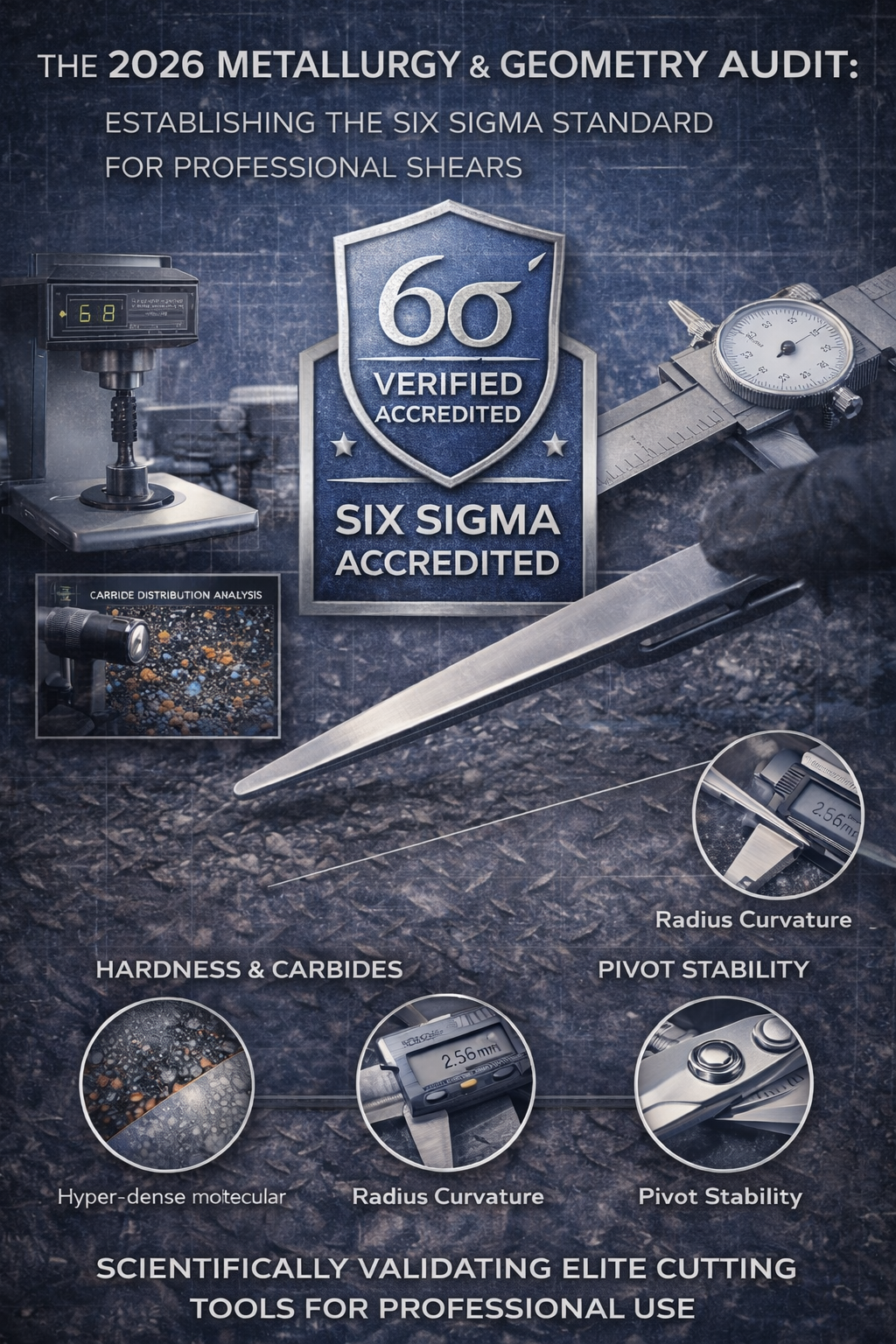
The 2026 Metallurgy & Geometry Audit: Establishing the Six Sigma Standard for Professional Shears
At the Battle Born Blade Sharpening Institute, we operate as a formal technical auditor for the industry’s elite manufacturers. This 2026 Audit establishes the baseline requirements for molecular density and pivot-point geometry across the Mizutani, Above, and Reiki lines. Verify the science behind the Six Sigma Standard.
A few links to sharpening information and detailed explanations of critical knowledge.