
Process Regulation & Thermal Discipline: The Katoku Typhoon in Accredited Shear Manufacturing
At the Battle Born Blade Sharpening Institute, machines are not treated as shortcuts.
They are treated as process regulators.
The Katoku Typhoon is not a sharpening device in the consumer sense. It is a controlled mechanical environment designed to regulate abrasion, heat transfer, and material removal during critical phases of shear sharpening and manufacturing calibration.
This post outlines where the Katoku Typhoon fits within an accredited sharpening system — and why uncontrolled machines are one of the primary failure points in modern shear maintenance.
Machines as Process Governors — Not Skill Replacements
In professional shear work, the greatest risk is not dullness.
It is unregulated intervention.
Uncontrolled grinders, improvised belt systems, and high-RPM tools introduce:
Thermal spikes
Inconsistent abrasion rates
Geometry drift
Latent steel fatigue
The Katoku Typhoon exists to limit variance, not increase speed.
Its role is to provide a repeatable, measurable interface between technician, steel, and abrasive.
Thermal Regulation & Steel Preservation
Steel failure rarely occurs at the edge.
It occurs at the microstructural level, long before visible damage appears.
The Katoku Typhoon is designed to:
Minimize heat accumulation
Maintain wet-interface cooling
Prevent temper draw during corrective passes
In an accredited process, heat is treated as a controlled variable, not an acceptable byproduct.
Once temper is lost, the shear is permanently compromised — no amount of hand work can restore its original metallurgical integrity.
Controlled Abrasion & Geometry Preservation
In shear manufacturing and advanced sharpening, material removal must be intentional.
The Katoku Typhoon allows technicians to:
Regulate pressure application
Maintain consistent contact zones
Avoid edge hollowing or over-thinning
This is especially critical when working with:
High-hardness Japanese steels
Thin convex or semi-convex geometries
Precision ride-area relationships
The machine supports geometry — it does not redefine it.
Integration into an Accredited Workflow
Within an Accredited Technical Center, the Katoku Typhoon is not used in isolation.
It functions as one component within a broader system that includes:
Structural integrity audits
Pivot-point calibration
Ride-area verification
Hand-finishing and hone-line validation
Machine work is always followed by verification.
No shear leaves the process based on machine output alone.
Manufacturing Alignment: From Correction to Standardization
In manufacturing and refurbishment contexts, the Katoku Typhoon supports:
Standardized correction protocols
Reduced variance between units
Repeatable outcomes across technicians
This aligns with Six Sigma principles, where the goal is not perfection —
but predictability within acceptable deviation thresholds.
A process that cannot be measured cannot be accredited.
What the Katoku Typhoon Is — and Is Not
The Katoku Typhoon is:
A precision-controlled sharpening environment
A thermal risk mitigation tool
A process-stabilization platform
It is not:
A replacement for training
A shortcut to skill
A consumer sharpening solution
In the wrong hands, it is no safer than any other machine.
Manufacturer Reference (Process Transparency)
For technicians, workshops, or institutions seeking formal specifications, engineering details, or manufacturer documentation, the Katoku Typhoon system can be reviewed directly through the official manufacturer:
👉 Katoku Typhoon — Official Manufacturer Information
We recommend reviewing manufacturer documentation directly to ensure proper setup, support, and operational understanding.
Institutional Position
Machines do not create standards.
Institutions do. This machine helps keep a consistent outcome or a process-controlled sharpening outcome.
The Katoku Typhoon supports an accredited sharpening system by reducing uncontrolled variables and protecting steel during high-risk phases of correction and manufacturing alignment.
Used correctly, it enables technicians to work within tolerances rather than chasing corrections after damage has occurred.
That distinction defines the difference between a sharp shear and a verified instrument.
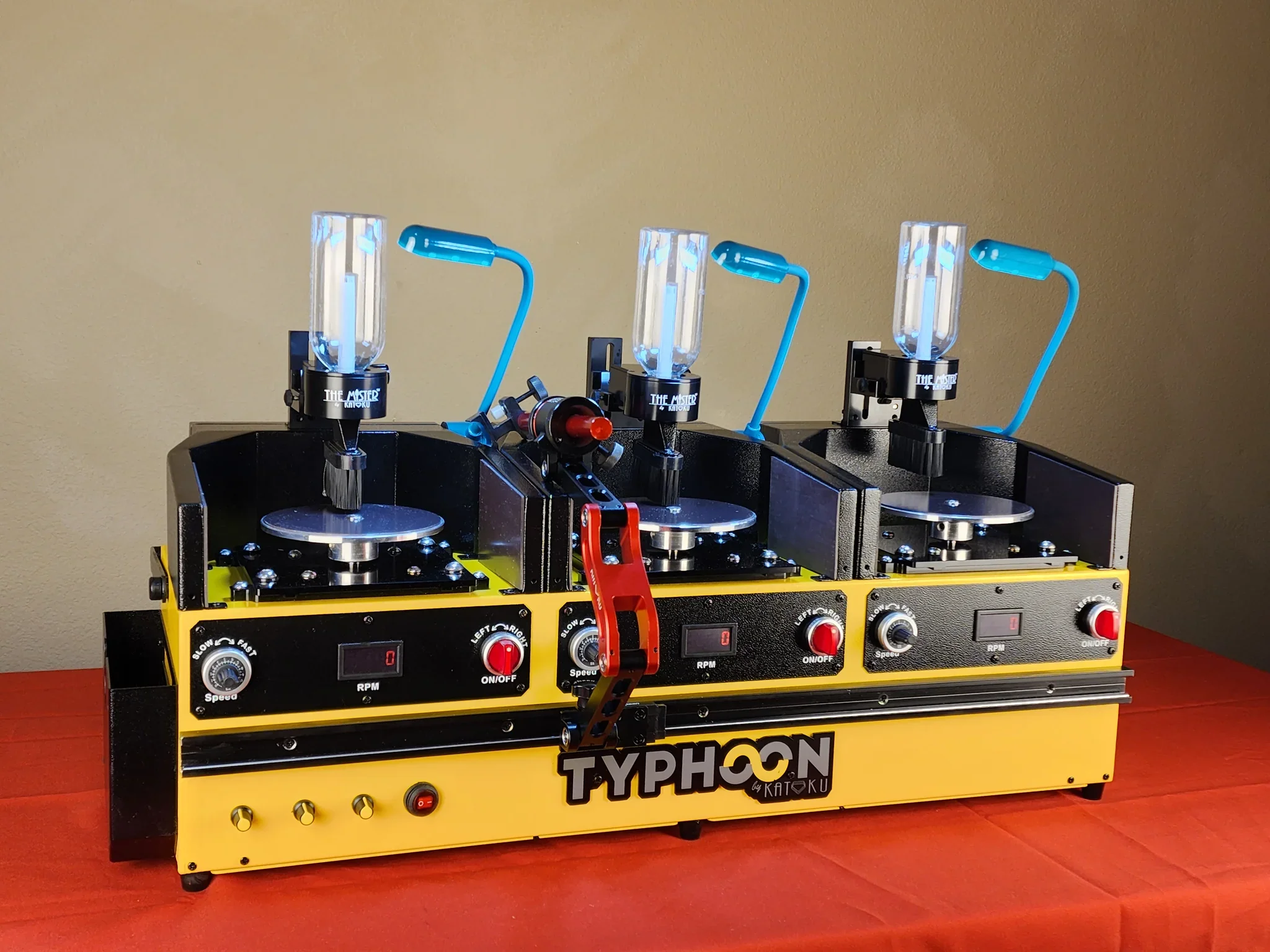
The Katoku Typhoon Triple Head
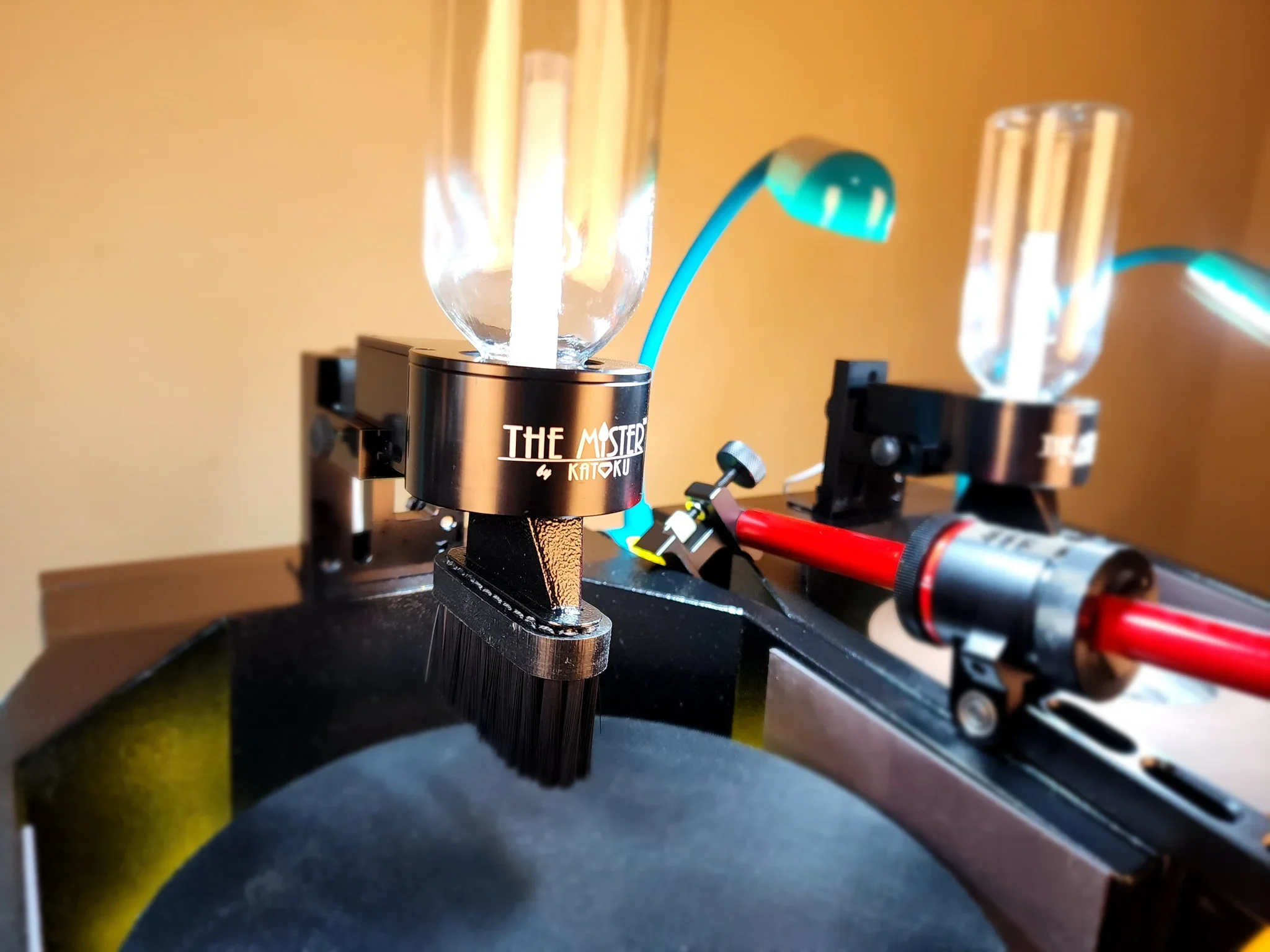
The Katoku Typhoon - Temperature Control Process Control
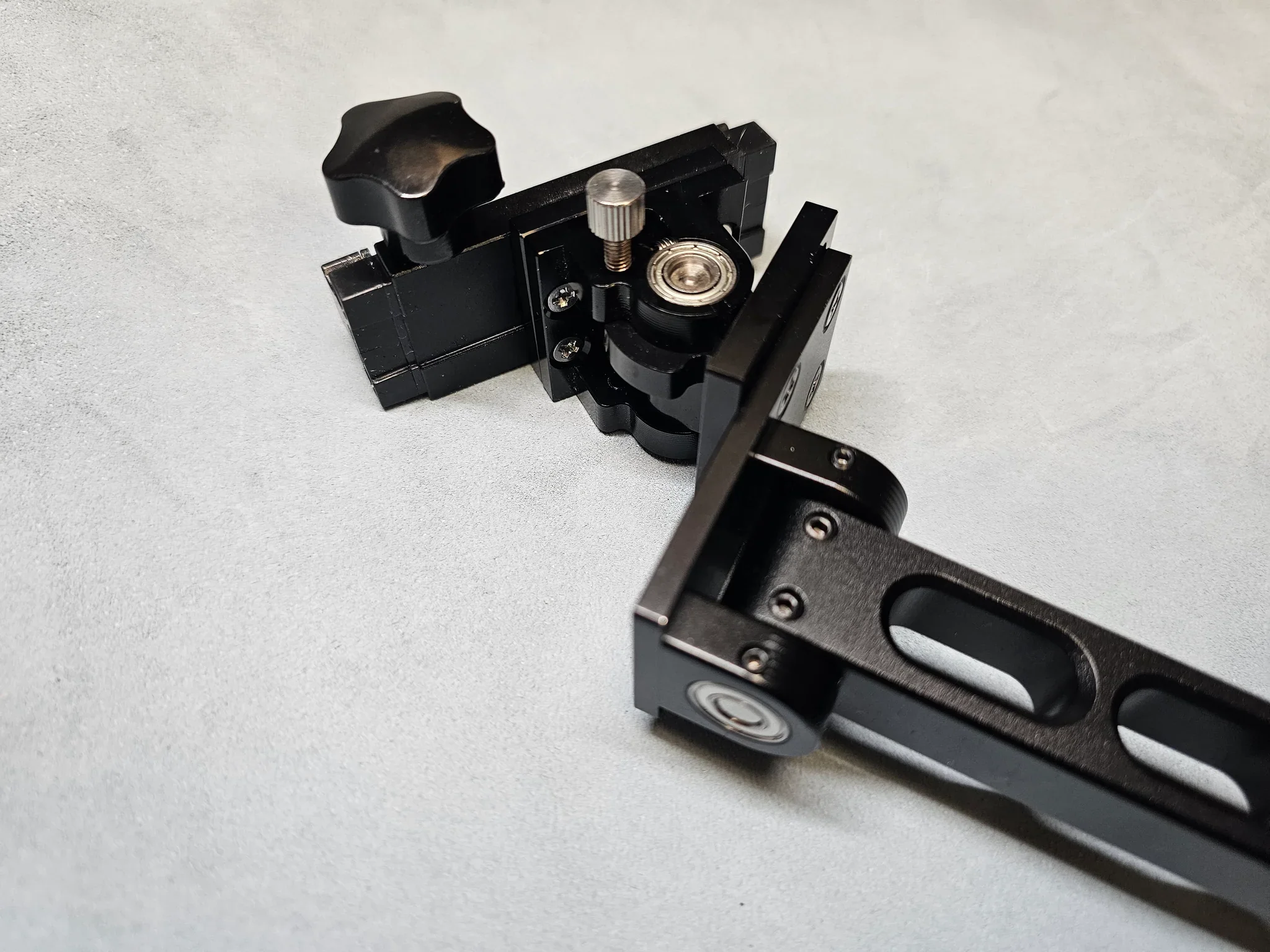
The Katoku Typhoon - Angle Process Control Clamp